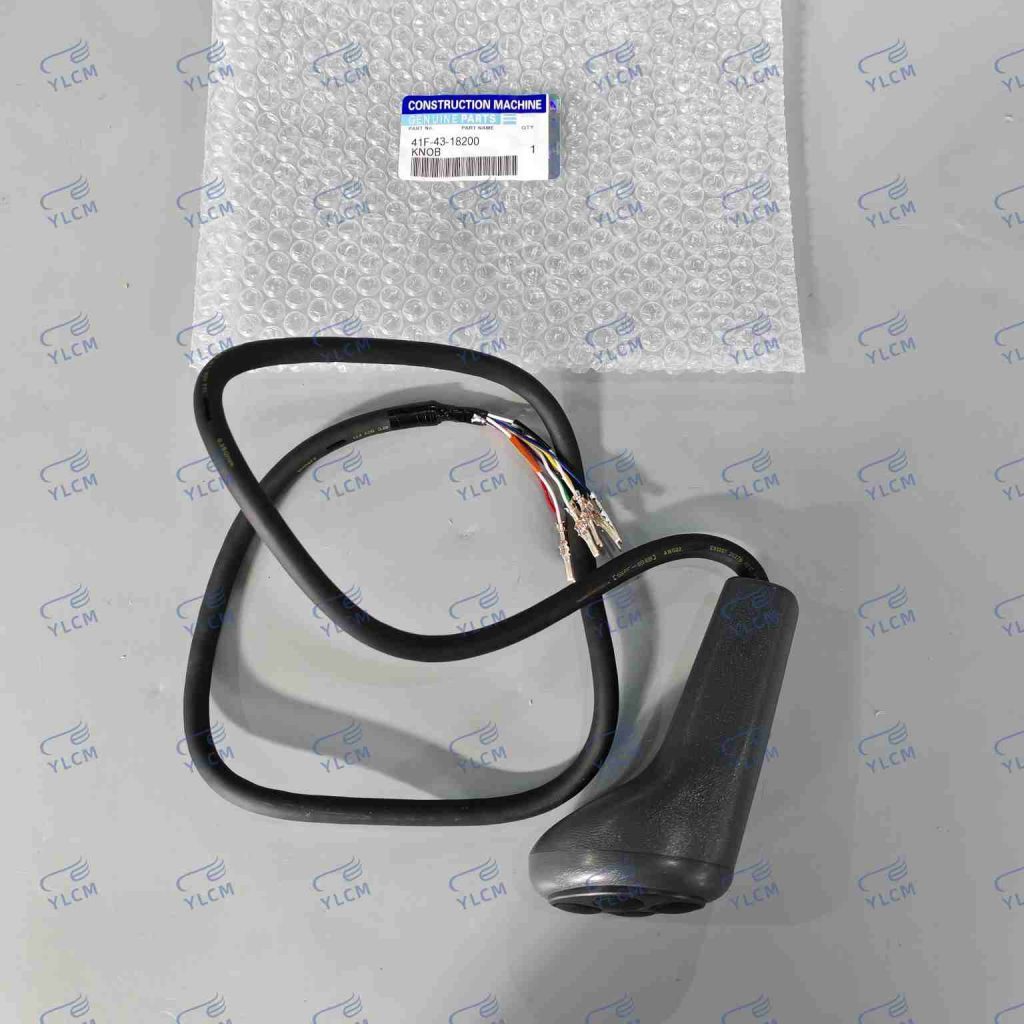
Locating a right heavy equipment parts can be the challenging task for some mechanics technician. This guide delivers some detailed look at approaches for finding reliable spare heavy equipment parts. Evaluate factors like OEM fitment , presence, rate, and logistics schedules to guarantee the user acquire exactly what your machine needs. Do not settling for subpar options – purchasing in top-notch heavy equipment parts can maximize your fleet's operational life and reduce interruptions .
Heavy Equipment Parts : Boosting Fleet Availability & Minimizing Expenses
Maintaining a fleet of heavy machinery demands a strategic approach to heavy equipment parts management. Unplanned malfunctions can quickly derail project schedules and inflate operational costs . Therefore, focusing on quality heavy equipment parts, implementing a routine maintenance program, and optimizing parts supply levels are critical to boosting uptime and controlling overall costs. Obtaining manufacturer's heavy equipment parts can typically prove more economical in the future due to increased dependability and reduced maintenance frequency.
Crucial Heavy Equipment Parts You Need Know
Maintaining your industrial machinery relies heavily on understanding key heavy equipment parts. Scheduled maintenance starts knowing the purpose of core items like fluid hoses, engine filters, undercarriage belts , and track rollers. Ignoring these vital elements can result in costly component breakdowns and impact site output . Getting to know yourself with these basic heavy equipment parts can keep your jobsites running smoothly.
Sourcing Authentic Heavy Equipment Parts: What to Look For
Finding original backup heavy equipment parts for your heavy-duty equipment can be a hurdle , but ensuring legitimacy is essential . Look for vendors who are affiliated with the heavy machinery manufacturer directly, offering verifiable lineages. Check the wrapping for official labels Heavy Equipment Parts and authenticate part serials against the original equipment catalog . Beware of suspiciously reduced rates, as they often indicate fake items. Finally, consider testimonials from other fleet owners regarding the vendor's record and consistency in delivering quality heavy equipment parts.
Replacing Heavy Equipment Parts: A Practical Guide
When your construction machinery faces malfunctions with specific components, replacing heavy equipment parts is often essential to ensuring productivity . This handbook details a basic step-by-step procedure for most heavy equipment parts replacements . First, carefully determine the proper component number. Then, collect the needed implements and protective equipment . Next, detach any pneumatic connections and properly brace the failing machinery component. Finally, remove the worn element and install the new one, reversing the removal actions. Always consult your machinery's particular service guidebook for accurate guidance.
Common Heavy Equipment Parts Breakdowns & How to Prevent Them
Many excavator and bulldozer operators face recurring problems due to premature heavy equipment parts failure . Frequently , hydraulic lines crack due to stress , resulting in fluid leaks and reduced output. Undercarriage belts experience breakage from rough terrain, while diesel engines can suffer from excessive heat if maintenance is neglected . To reduce these problems , scheduled component inspections are essential, including checking lubricant levels, undercarriage pressure, and mesh condition. Proper greasing of pivoting heavy equipment parts, alongside following manufacturer instructions for maintenance , can significantly prolong the lifespan of your machinery and reduce costly repairs .
The Future of Heavy Equipment Parts: Technology & Innovation
The landscape of heavy equipment parts is undergoing a dramatic evolution, fueled by accelerated technological advancements and innovative solutions. We’re seeing a progression beyond traditional supply chains towards more connected platforms. Machine learning is slated to play a vital role, predicting heavy equipment parts malfunctions before they occur and optimizing maintenance schedules. Furthermore, additive manufacturing promises on-demand component production, reducing lead times and enhancing responsiveness. Expect to see a greater emphasis on telematics , allowing technicians to troubleshoot component issues virtually . The future includes:
- Predictive heavy equipment parts replacement
- Secure record technology for part verification
- Connected sensors for real-time component evaluation
- Eco-friendly parts and reuse practices
This blend of technologies promises a optimized and reliable future for heavy equipment parts, supporting fleet operators and maintenance crews alike.
Understanding Heavy Equipment Parts Numbers & Compatibility
Navigating the world of substitute heavy equipment parts can be challenging, particularly when trying to identify the accurate part for your loader. Understanding heavy equipment parts numbers and compatibility is crucial for preventing costly errors and ensuring peak operational function . These OEM designations are distinct identifiers, often including manufacturer details and precise component attributes. Meticulous research, consulting the operator's manual, or utilizing digital heavy equipment parts listings are advised steps to ensure right component choice and avoid incompatibilities .
Cost-Effective Solutions for Heavy Equipment Parts
Finding economical substitute heavy equipment parts for your construction gear doesn't require a difficult process. Many options exist to reduce expenses without diminishing quality . Consider investigating used heavy equipment parts, which often offer considerable savings compared to brand new components . Furthermore, procuring directly from specialized heavy equipment parts vendors or leveraging B2B websites can often uncover even greater chances for inexpensive component procurement .
Heavy Equipment Parts: Maintenance Advice for Durability
To ensure the performance of your critical heavy equipment parts, preventative servicing are absolutely essential. Periodic inspection of core heavy equipment parts such as cylinders, engine filters, and rollers can reveal minor faults before they become costly breakdowns. Be sure to adhere to the OEM's prescribed greasing schedule and apply only high-quality heavy equipment parts for replacements. Finally, proper transportation of parts when in transit will reduce wear and contribute to their overall operational lifespan.
Selecting the Best Suppliers for Your Heavy Equipment Parts Demands
Securing trustworthy heavy equipment parts for your machinery fleet is essential to upholding operational output. Selecting the right heavy equipment parts suppliers requires careful consideration. Assess potential vendors based on factors such as inventory levels , rates, lead times, and technical support . Consider suppliers with a proven track record, good reputation, and the ability to supply quality heavy equipment parts efficiently. Don't hesitate to request industry testimonials and compare quotes from several sources before making a definitive choice .
Specialized Heavy Equipment Parts: A Detailed Analysis
Procuring quality heavy equipment parts and earthmoving hardware assemblies requires significant grasp of unique component needs . These aren't your common machinery items; they’re essential for the performance of significant machines like bulldozers and motor graders . Obtaining the correct replacement heavy equipment parts involves considering factors such as manufacturer compatibility , chassis designation , and metallurgy details . A detailed evaluation of these details ensures reduced downtime and optimal machine productivity . Furthermore, the availability of experienced parts support can be invaluable when dealing with these intricate mechanical components.